
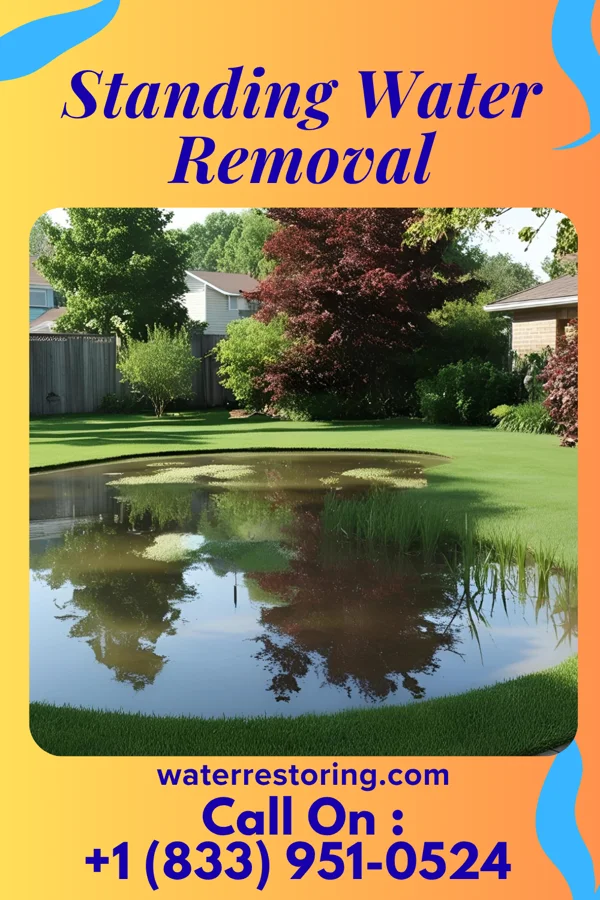
Common Standing Water Causes in Slana
Most standing water removal calls in Slana come from In Slana, Alaska, the primary water damage cause is often due to spring snowmelt and sudden thawing of permafrost, which can lead to rapid flooding in low-lying areas near Mentasta Lake. Additionally, heavy rainfall events in the spring and summer months can overwhelm local drainage systems, causing standing water in rural homes and outbuildings.. A close second is Secondary causes include leaking septic tanks, burst pipes during freezing temperatures, and inadequate maintenance of water storage tanks in remote areas. These issues are more common in the rural setting of Slana, where infrastructure is less developed and access to emergency services is limited.. If you know what is about to happen, the decisions during the first 48 hours get a lot easier.
Slana's climate, characterized by long, cold winters and short, wet summers, increases the risk of water damage from both freezing and thawing cycles. The region's proximity to Mentasta Lake also means that rising water levels can impact nearby properties, especially during late spring and early fall.
Most standing water removal calls in Slana come from In Slana, Alaska, the primary water damage cause is often due to spring snowmelt and sudden thawing of permafrost, which can lead to rapid flooding in low-lying areas near Mentasta Lake. Additionally, heavy rainfall events in the spring and summer months can overwhelm local drainage systems, causing standing water in rural homes and outbuildings.. Running a close second is Secondary causes include leaking septic tanks, burst pipes during freezing temperatures, and inadequate maintenance of water storage tanks in remote areas. These issues are more common in the rural setting of Slana, where infrastructure is less developed and access to emergency services is limited.. Local mold risk: In Slana, mold can develop quickly due to high humidity and prolonged exposure to moisture, especially in poorly ventilated rural homes. Prompt action is crucial to prevent long-term structural damage and health risks in this remote area.
For public guidance on the health effects of mold after prolonged water exposure, see the EPA mold and health page.